Table Of Content
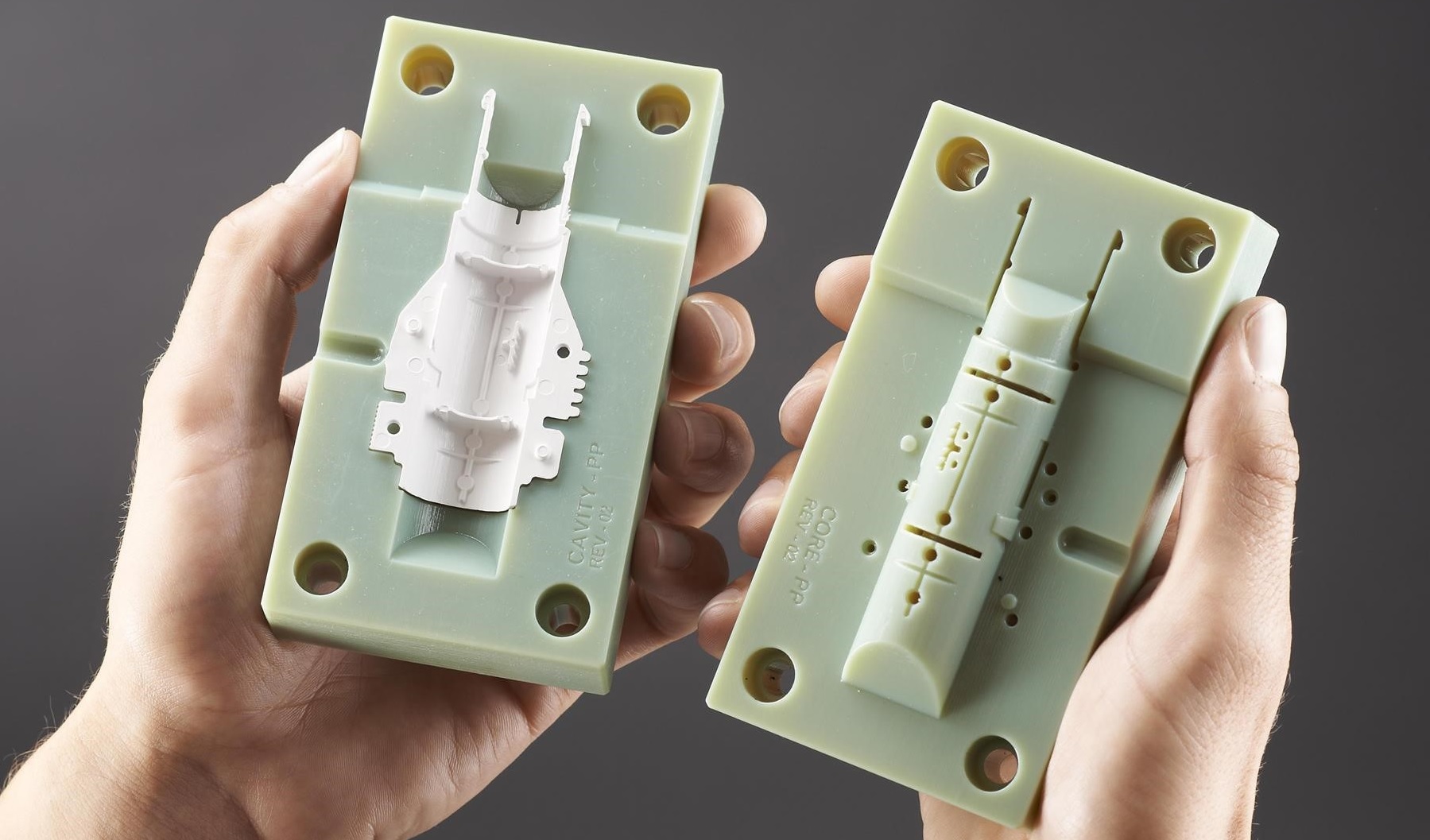
Parts produced with injection molding have very good physical properties. A plastic injection molder will leverage Computer-Aided Engineering (CAE) combined with cutting-edge technology to confirm your mold is ready to move into production. CAE simulation can mimic actual production with greater than 90% accuracy, validating that your designs, selected materials, and production settings are optimized before moving forward. It’s important to pay attention to draft angles during the design phase. These angles allow easy removal of the molded part from the mold without causing damage or distortion. Properly designing draft angles can prevent costly production delays or defects.

Wall Thickness
It is possible to incorporate textures and lettering to a part, whether as an aesthetic addition or for branding purposes. Texturing is also an effective way to hide surface defects and other imperfections on a molded part. Like anything involved in designing for moldability, there are guidelines to textures and lettering as well. This is the part where two halves of the molds are securely closed by the clamping unit. Hydraulic power is used to keep the clamping unit in place while the specific material is injected (typically a thermoplastic).
How draft, radii, wall thickness, and other design factors improve part manufacturability
Carclo Technical Plastics closing Tucson, Arizona, injection molding plant - Plastics News
Carclo Technical Plastics closing Tucson, Arizona, injection molding plant.
Posted: Fri, 16 Feb 2024 08:00:00 GMT [source]
Getting a part out of the mold smoothly and without damage is critical for successful production. If you’re facing issues with ejection, consider modifying draft angles on vertical surfaces, adding ejector pins or lifters where necessary, and optimizing the surface finish for easy release. Properly designed part features and careful attention to detail during mold creation can greatly improve ejection performance.
Ejector Pins
Draft is an angle you apply to vertical walls so that parts will eject cleanly from the mold. This taper can also decrease tool wear and reduce cooling times, both of which help to control costs. A uniform wall thickness is recommended, but it’s also important to avoid walls that are too thick or too thin. Before you commit to any expensive injection molding tooling, first create and test a functional prototype of your design.
Beginner’s Guide to Design for Injection Molding
Some designers use mold flow simulations to dictate gate design and location. I think that’s great if the molder agrees with their recommendations. I disagree with designers who insist that their gate recommendations must be maintained without compromise. In either case, close collaboration with a molder throughout the design cycle will ensure that the gate will not adversely affect part performance, appearance or fit. Molders are also willing to advise designers about the type of gate and features that may have to be added to the part geometry based on gate design. Molders also will offer trade-offs between different types of gates, including fan gates, edge gates or sprue gates.
Discover Dassault Systèmes store solutions for injection molding
In 1939, Arthur Eichengrün patented the injection moulding of plasticised cellulose acetate. For example, if you’re producing high-volume plastic parts, a steel mold may be more suitable due to its durability and longevity. However, if you’re prototyping or manufacturing smaller quantities, an aluminum mold may offer cost-effective solutions without compromising quality.
The gate is the opening where the plastic material flows through from the runner system into the mold cavity. It's important for the engineer or designer to consider the size, shape and location of the gate to ensure proper filling of the mold and to minimize defects such as sink marks or short shots. Inadequate part ejection is another problem that designers encounter.
Correct Use of Ribs and Support Material
Choosing a suitable material can help reduce cycle time, extend the mold’s lifespan, and reduce the risk of part defects. After you submit your part design for tooling, a mold maker will cut the steel or aluminum that’s used for the core and cavity. Bench workers will then assemble the mold, incorporate off-the-shelf parts such as ejector pins, and test the mold for leaks. You can use walls with different thicknesses, but they’ll cool and shrink at different rates.
Avoiding Sinks With Proper Venting
As a part is developed, always keep in mind how the part is molded and what you can do to minimize stress. The mold core is a part of the mold that forms the internal shape of the product, and it's where material is injected from the side of the mold into the cavity. Furthermore, understanding the shrinkage characteristics of the plastic material is crucial when designing molds for injection molding.

Standard colors include red, green, yellow, blue, black and white and they can be mixed to create different shades. In this section, you’ll learn more about the key characteristics of the most popular materials. We’ll also discuss the standard surface finishes that can be applied to injection molded parts.
For unstable resins like TPE.Wall ThicknessWall thickness is important because it can lead to defects such as sink and warp. It is best practice to maintain a uniform thickness throughout an injection-molded part. We recommend walls to be no less than 40 to 60 percent of adjacent wall thickness, and all should fit within recommended thickness ranges for the selected resin. The primary goal of injection mold design is to create a mold that produces high-quality parts with minimal defects. This involves considering various factors such as part geometry, material selection, cooling system design, and ejection mechanisms.
After ordering your mold design tutorial, you will receive a free eBook about the 10 top tips for injection mold making. Now that the tooling is complete, your mold maker will provide first articles for you to inspect before beginning production on your part. By this time, enough simulation and testing has been done that your mold should consistently produce quality parts, but full-scale production won’t begin until you’ve signed off on the output. To allow for further visibility and control during production, an RFID (radio frequency identification) chip can be affixed to your mold. Undercuts are features that prevent easy ejection of the molded part from the mold. If your design includes undercuts, you’ll need to incorporate additional mechanisms like side-action slides or lifters into the mold design to facilitate part release.
At this point economies of scale start to kick-in and the relatively high initial costs of tooling have a less prominent effect on the unit price. Injection molding is widely used today for both consumer products and engineering applications. Almost every plastic item around you was manufactured using injection molding. This is because the technology can produce identical parts at very high volumes (typically, 1,000 to 100,000+ units) at a very low cost per part (typically, at $1-5 per unit). Material such as metal, glass polycarbonate, or polypropylene is fed into the hopper. It is then fed to the barrel where the heating unit melts the material.
Draft angles on surfaces of injection-molded parts allow for easy removal from the mold without damage. The required draft angle depends on factors like wall thickness, material shrinkage, post-production finishing needs, etc. The mold cavity is the internal space in the mold where the plastic material is injected and cooled, shaping it into the desired final product. It is important for the engineer or designer to consider the shape and size of the cavity to ensure that it matches the desired product shape and size. The following information defines the minimum requirements for Upmold injection molds produced by Upmold Engineering.
Molders should be in agreement with specified resins and overall part requirements, since they will be required to actually mold the parts. Rapid injection molding requires that your part design should be as simple as possible, right? This is another false assumption as we support complex part designs that requires undercuts, through holes and other features. The ideal way to design ribs is by using a rib-to-wall thickness ratio of 40 to 60 percent the thickness of adjacent surfaces.
Compared to other manufacturing technologies—like CNC machining and 3D printing—it requires an upfront, capital investment into tooling. But individual piece-part price will be substantially less when compared to other means of manufacturing plastic parts. This cost structure makes it an affordable solution for production runs. In the final step of the injection molding design process, a tool maker will create your mold and an injection molder will send you part samples.


No comments:
Post a Comment